The Joy of Cooking: More Than Just a Chore
Cooking is often seen as a necessary chore, a task to be completed at the end of a long day. However, when approached with intention and creativity, it can be a deeply enjoyable and rewarding experience. The kitchen becomes a space for experimentation, where raw ingredients transform into something delicious and nourishing. There's something magical about the process—whether you're chopping vegetables, stirring a simmering sauce, or plating a dish. The satisfaction of tasting your creation and sharing it with loved ones can bring a sense of accomplishment that extends beyond the meal itself. Cooking, at its best, is an opportunity to connect with yourself, your ingredients, and the people you care about.
One of the simplest yet most impactful ways to elevate your cooking is through proper seasoning. While salt and pepper are kitchen staples, there’s a whole world of spices, herbs, and flavoring agents to explore. Salt is a flavor enhancer, bringing out the natural tastes of the ingredients in your dish, but the secret lies in knowing when and how to season. Many home cooks make the mistake of only salting at the end of cooking, but seasoning in layers—early in the process and adjusting as you go—can create deeper, more complex flavors. Herbs like rosemary, thyme, and basil, or spices like cumin, turmeric, and smoked paprika, can add richness and depth to your food. Don't forget acid, either—whether from fresh lemon juice or a splash of vinegar—which can cut through richness and balance out heavy flavors.
- Knife Skills: Learn how to properly chop, dice, and julienne ingredients to speed up prep time and ensure even cooking.
- Sautéing vs. Frying: Understand the difference between these two cooking techniques and when to use each for the best results.
- Roasting vs. Baking: Know when to roast (for veggies, meats) vs. bake (for breads, cakes) and the subtle differences in temperature and timing.
- Simmering vs. Boiling: Learn the importance of temperature control when simmering or boiling, especially for soups, stocks, and pasta.
- Knife Basics: A good, sharp chef’s knife is essential for most cooking tasks. Also consider specialty knives like serrated knives or paring knives.
- Cookware: Invest in versatile pots and pans, such as a good nonstick frying pan, cast-iron skillet, and a heavy-duty stock pot.
- Thermometers: A meat thermometer or an instant-read thermometer is key for ensuring meat is cooked to the correct doneness.
- Blenders and Food Processors: These tools can speed up food prep, especially for soups, smoothies, or dough.
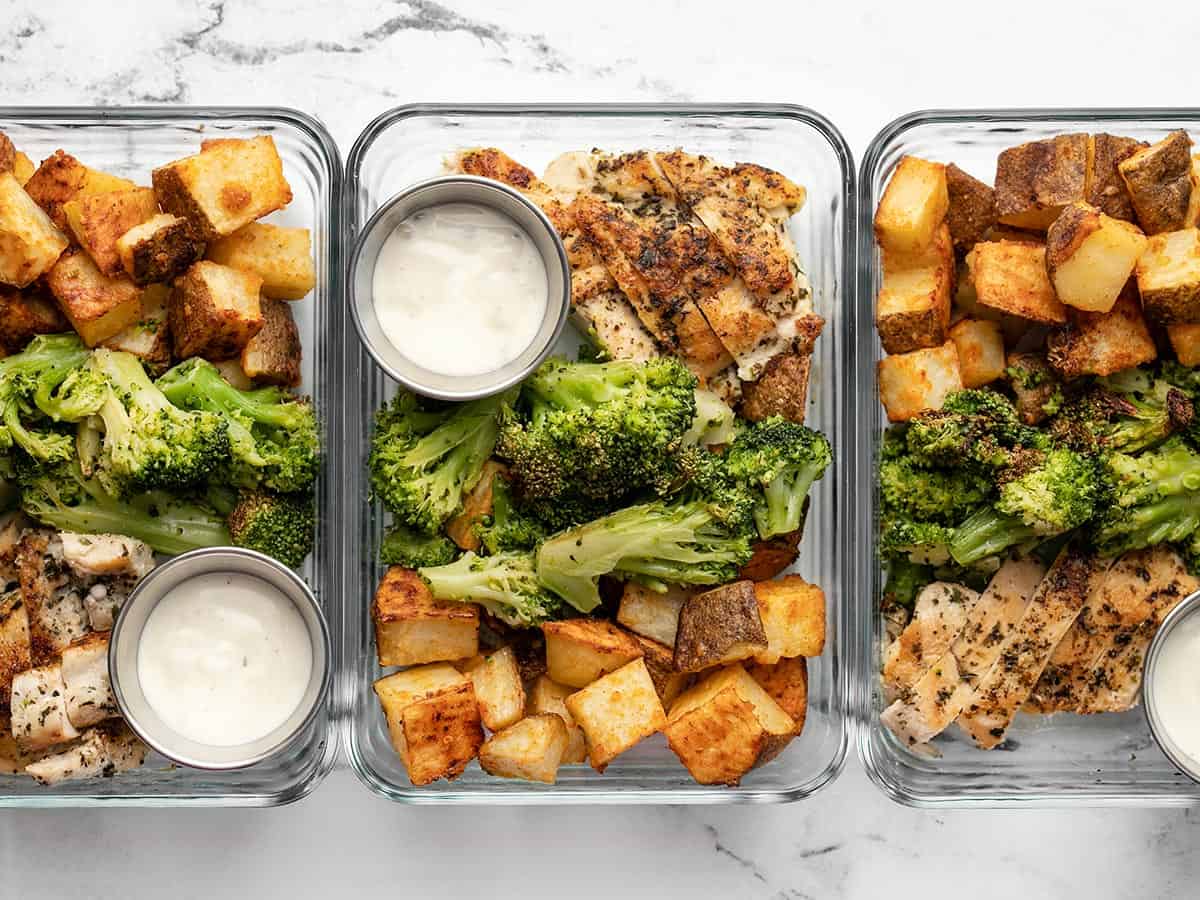
- Batch Cooking: Plan and cook meals in bulk (e.g., cooking grains, chopping vegetables) so you can reheat them throughout the week.
- Storing Leftovers: Understand how to properly store leftovers in the fridge or freezer to maximize freshness and reduce food waste.
- Time-Saving Tips: Use shortcuts like pre-chopped veggies or frozen ingredients to save time without sacrificing quality.
- The Basics of Seasoning: Learn how to balance salt, acidity, sweetness, and bitterness to elevate the flavor of your dishes.
- Herbs & Spices
: Experiment with fresh and dried herbs, spices, and seasoning blends to create unique flavor profiles. - Acidity & Sweetness: Acidity (like lemon, vinegar) and sweetness (like honey, sugar) can help balance rich or savory dishes.
- Substituting Ingredients: Swap out high-fat or high-sugar ingredients for healthier alternatives (e.g., using yogurt in place of cream, or coconut oil instead of butter).
- Cooking Methods for Health: opt for steaming, grilling, or baking over frying to keep dishes lighter and healthier.
- Nutrient-Rich Ingredients: Include more vegetables, whole grains, legumes, and lean proteins in your meals to boost the nutritional content.
- Asian Cuisine: Try cooking with ingredients like soy sauce, sesame oil, miso, or lemongrass to create authentic stir-fries, soups, and curries.
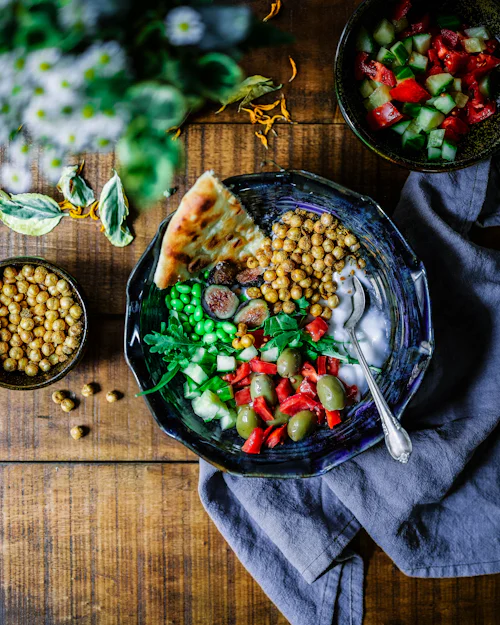
- Mediterranean Flavors: Experiment with olive oil, garlic, lemon, herbs like oregano and thyme, and ingredients like feta cheese, olives, and fresh vegetables.
- Latin American Dishes: Incorporate spices like cumin, chili powder, and cilantro to make tacos, enchiladas, and empanadas.
- Baking Around the World: Explore baking traditions from different cultures, such as French pastries, Italian focaccia, or Middle Eastern flatbreads.
- Vegetarian & Vegan Cooking: Learn how to create plant-based meals that are satisfying and full of flavor using legumes, tofu, tempeh, and plant-based proteins.
- Gluten-Free Baking: Understand the nuances of baking without wheat flour by using alternative flours like almond, coconut, or rice flour.
- Keto-Friendly Recipes: Focus on low-carb, high-fat meals like cauliflower rice, zucchini noodles, or keto-friendly desserts made with almond flour.
- Wine & Food Pairing: Learn the basics of pairing wines with meals, such as red wine with red meats and white wine with fish or poultry.
- Cheese Pairing: Experiment with pairing different cheeses with fruits, crackers, nuts, or wines for a more gourmet experience.
- Flavor Pairing: Consider classic flavor combinations like sweet and salty (bacon and caramel), spicy and tangy (jalapeños and lime), or savory and umami (mushrooms and soy sauce).
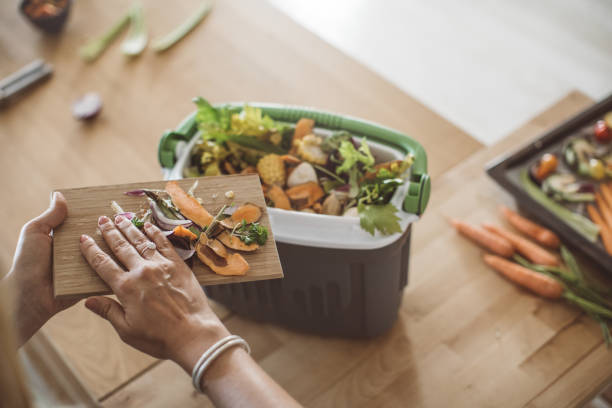
- Zero-Waste Cooking: Get creative with using every part of your ingredients, such as turning vegetable scraps into stocks or using fruit peels for jams or compotes.
- Locally-Sourced Ingredients: Support local farmers or markets by buying seasonal, locally grown produce and meats to reduce your carbon footprint.
- Eco-Friendly Cooking Tools: Choose reusable or compostable cooking tools and utensils (e.g., beeswax wraps, reusable produce bags, bamboo utensils) to reduce kitchen waste.
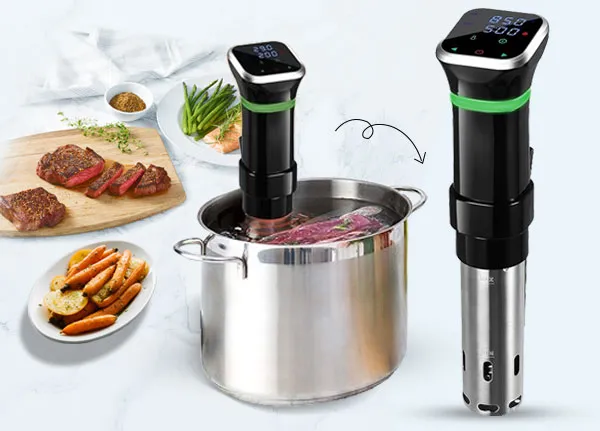
Sous Vide Cooking: Try the sous vide method for perfectly cooked proteins by immersing food in a vacuum-sealed bag and cooking it in a water bath at precise temperatures.
- Fermentation: Experiment with fermenting foods at home, such as making kimchi, sauerkraut, yogurt, or kombucha.
- Molecular Gastronomy: Learn about this innovative cooking technique that involves using science to create new textures, flavors, and presentations, like foam, gels, and liquid nitrogen.
- Overcrowding the Pan: Don’t overcrowd your pan when cooking meat or vegetables—this can cause them to steam rather than brown properly.
- Not Letting Meat Rest: Allow meat to rest after cooking to redistribute the juices and keep it tender and juicy.
- Not Tasting as You Go: Taste your food at various stages of cooking to make sure the seasoning and flavors are balanced.
- Comfort Food: Explore cooking classic comfort foods like mac and cheese, pot roast, or homemade pizza that bring warmth and nostalgia.
- Mindful Eating: Practice mindfulness by savoring each bite, appreciating the flavors and textures, and focusing on the experience of eating.
- Quick Weeknight Dinners: Create simple meals that can be whipped up in under 30 minutes, like stir-fries, pastas, or sheet pan dinners.
- Meal Prep for the Week: Plan and prepare make-ahead meals that you can portion out and store for busy days.
- Special Occasion Meals: Cook for holidays, birthdays, or dinner parties with more elaborate dishes like roast chicken, prime rib, or elaborate desserts like soufflés or layered cakes.
- DIY Pizza Night: Make pizza dough from scratch and let everyone customize their own pizzas with toppings of choice.
- Baking Cookies or Cupcakes: Spend a fun day baking and decorating treats with family or friends.
- Cooking Challenges: Create a cooking challenge, like making a meal using only five ingredients or cooking within a time limit.
By focusing on these areas, you can deepen your cooking skills, explore new cuisines, and develop a more creative and sustainable approach to cooking. Whether you're trying out a new technique or exploring food culture, the kitchen offers endless opportunities to learn and experiment.
One of the most important aspects of cooking is understanding ingredients. Fresh, high-quality ingredients form the foundation of any great dish, and the way they’re prepared can make all the difference. Simple ingredients like onions, garlic, herbs, and spices can add depth and complexity to a dish, while the right combination of acids, fats, and salts can balance and enhance flavors. The key to becoming a skilled cook is learning how to layer these flavors thoughtfully and knowing when to let each ingredient shine. Cooking is as much about intuition as it is about precision, and with experience, you learn to trust your senses—smelling, tasting, and feeling your way through the process.

Cooking also brings people together. Whether it’s a family dinner, a holiday celebration, or a casual gathering of friends, food has a unique power to unite. Sharing a meal with others creates a sense of community and connection, and the act of cooking for someone can be a deeply personal and nurturing experience. Food can tell stories, evoke memories, and express love, which is why the kitchen has always been considered the heart of the home. Beyond nourishment, cooking allows for cultural expression and preservation, as traditional dishes pass down from one generation to the next, keeping heritage and history alive.
Ultimately, cooking is about more than just making food—it’s about creating something that brings joy and sustenance. The process itself can be therapeutic, offering a meditative escape from the stresses of daily life. Whether it’s the satisfaction of kneading dough, the soothing rhythm of chopping vegetables, or the anticipation of a perfectly roasted meal, cooking provides a meaningful and rewarding experience that can be shared and savored in so many different ways.
products links




:max_bytes(150000):strip_icc()/article_7866255_foods-you-should-eat-every-week-to-lose-weight_-04-d58e9c481bce4a29b47295baade4072d.jpg)


:max_bytes(150000):strip_icc()/Why-Let-Meat-Rest-After-Cooking-FT-BLOG0623-aa23e85b40ba4069837bda52a8b706d1.jpg)


Comments
Post a Comment