MASTER MAKEUP
Makeup is an art, and like any art from ,it requires skill, practice, and the right tools to master. whether you're a beginner wanting to enhance your skills or an experienced makeup enthusiast looking to refine your technique, mastering makeup is a journey that can boost your confidence and creativity. in this guide, we'll walk you through key techniques, tips, and essential products to help you achieve a flaw lees look every time
Before diving into makeup into makeup, it's important to prep your skin properly. healthy, hydrated skin provides a smoother canvas for makeup application and help products last longer
• Exfoliate: exfoliate once or twice a week remove dead skin cells' ensuring your makeup goes on smoothly
• Moisturize: a good moisturizer hydrates and plump your skin, creating the perfect base for foundation.
• prime: a makeup primer helps fill in pores, smooth fine lines, and ensure your makeup stays put all day.
- Shade Matching: Always test foundation shades on your jawline, not your hand, and make sure it blends seamlessly into your skin tone.
- Formula: Pick a foundation that suits your skin type (e.g., liquid or cream foundations for dry skin, powder or matte for oily skin).
- Color Correct: Use a color wheel to cancel out under-eye circles (peach or orange) or redness (green).
- Concealer: Choose a concealer 1-2 shades lighter than your skin tone for brightening the under-eye area, and the same shade as your foundation for blemishes or redness.
- Highlighting: Use a highlighter to accentuate the high points of your face (cheekbones, brow bones, and bridge of the nose) to create a luminous glow.
- Use Transition Shades: Blend neutral shades into the crease of your eye for depth and dimension.
- Blending is Key: Use a fluffy blending brush to blend all colors seamlessly for a smooth, gradient effect.
- Layering Textures: Mix matte and shimmer eyeshadows to add depth and visual interest.
- Use an Eyeshadow Primer: To make your eyeshadow last longer and appear more vibrant, use a primer before application.
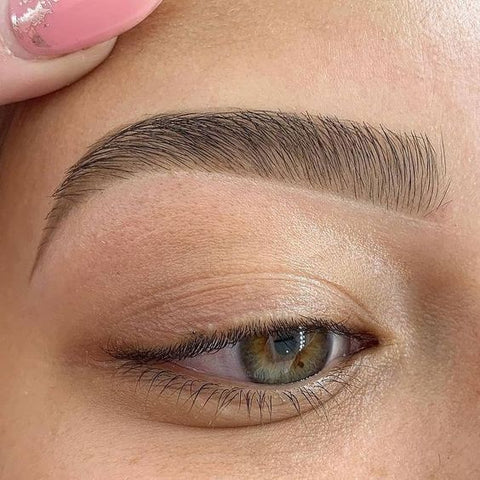
- Shape: Find the natural shape of your brows and fill them in using a pencil or powder that matches your natural brow color.
- Soft Strokes: Use short, light strokes to mimic hair for a more natural look.
- Set with Gel: Brow gel will help hold your brows in place and add volume for a fuller look.
- Subtle Contouring: Apply contour products (powder or cream) along the cheekbones, jawline, and sides of your nose to sculpt your face.
- Blend, Blend, Blend: Make sure your contour isn’t harsh by blending well into your foundation.
- Highlight: Apply a lighter shade on areas you want to bring forward (center of the forehead, tops of cheekbones, down the nose, chin).
- Placement: Apply blush to the apples of your cheeks, and blend it slightly upwards towards your temples.
- Formulas: Powder blush works best for oily skin, while cream blush is great for dry skin, as it gives a natural, dewy finish.
- Eyeliner: For a sharp line, use a gel or liquid eyeliner, but for a softer look, use a pencil. Smudging pencil eyeliner along the lash line can give a smoky effect.
- Mascara: Apply mascara starting at the roots and wiggle the wand upwards. Add a second coat for more volume, but don’t let the first layer dry completely to avoid clumping.
- Exfoliate and Moisturize: For smooth lips, exfoliate and apply lip balm before using any lip color.
- Lip Liner: Use a lip liner to define the lips and prevent lipstick from feathering. Lining the lips slightly outside your natural lip line can also create the illusion of fuller lips.
- Lipstick Formulas: Matte lipsticks last longer, while glossy formulas are more hydrating. Consider a lip gloss to add shine after applying a matte lipstick for a balanced finish.
- Setting Powder: Set your foundation and concealer with a translucent setting powder to lock everything in place and avoid creasing.
- Setting Spray: Finish with a setting spray to make your makeup last all day and keep it looking fresh.
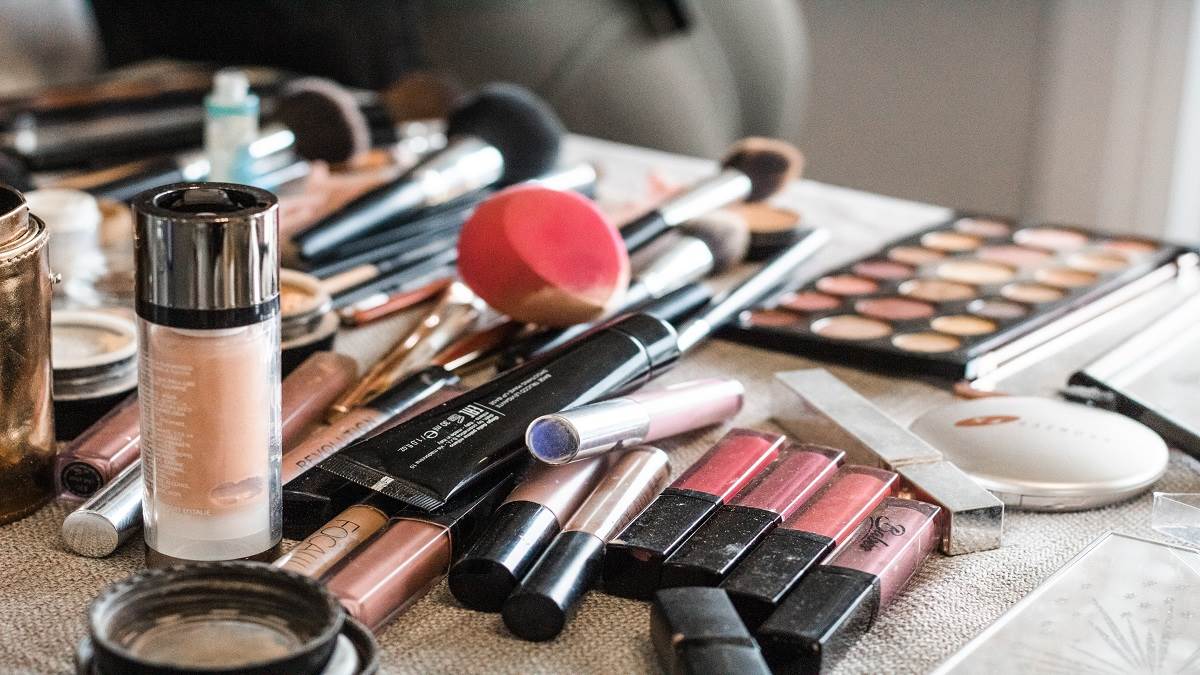
- Brushes and Sponges: Invest in good-quality brushes and sponges. Use brushes for powders and liquid foundations, and sponges for blending creams and liquids.
- Cleaning Your Brushes: Clean your brushes regularly (ideally once a week) to avoid bacteria buildup and product buildup, which can cause skin issues.
Keep practicing, keep experimenting
makeup is a personal expression, and mastering it takes time with these expert tips and techniques, you're well on your way to creating stunning. professional-quality looks. Don't be afraid to experiment with different style, products, and colour to find what work best for you
Achieving a truly flawless complexion is an art that begins with meticulous preparation. The skin should be properly prepped to ensure that makeup adheres seamlessly and lasts longer. Begin by hydrating with a lightweight moisturizer suited to your skin type, followed by a primer that addresses your specific needs—whether it's for pore-blurring, smoothing, or long-wear. Next, apply foundation with a damp makeup sponge for an airbrushed finish, pressing the product into the skin rather than sweeping it across, which prevents streaking. For full coverage, layer in thin layers, building until you reach the desired opacity. Concealer should then be used sparingly, targeting blemishes, redness, and the under-eye area. The key to an impeccable complexion lies in setting your work with a finely milled powder, which mattifies while retaining a natural finish. To elevate the skin’s radiance, a strategically applied highlighter—subtle or intense depending on your preference—on the high points of the face will give a youthful, glowing finish, ensuring that your base remains flawless all day without looking cakey.
Remember, makeup is meant to be fun! The more you practice, the more confident you'll feel in your abilities. so grab your brushes, experiment with new techniques, and most importantly. enjoy the creative process. your journey to mastering makeup starts now!
product links


Comments
Post a Comment